
Give operators a clear view of the process.
Industrial Leader builds and integrates SCADA and HMI systems that bring plant status, alarms and trends into a practical operating environment. From a machine touchscreen to a distributed pumping network, we help your people understand what is happening, respond to faults and retrieve the information needed for maintenance and production decisions.
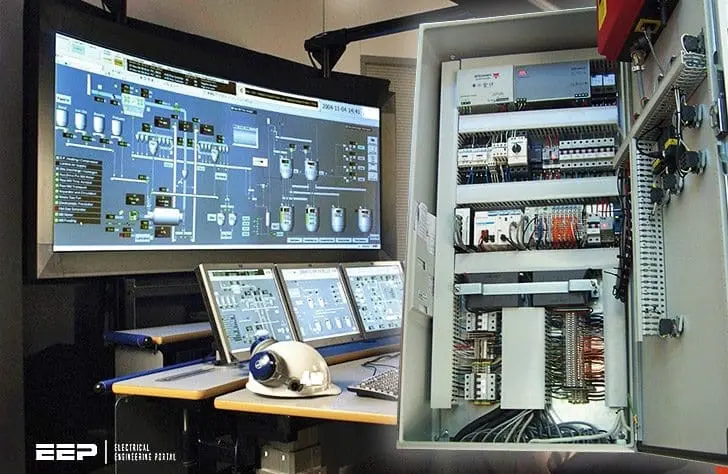
Screens designed around operating tasks
We begin with the people who use the system and the decisions they make during normal running, changeover and faults. Navigation, equipment status and process trends should be consistent across the application. Clear operating modes and interlock information reduce the need to interpret raw PLC bits or search through unrelated screens during a stoppage.
- Machine HMI development and plant-wide SCADA integration
- Reusable equipment faceplates and consistent navigation
- Siemens WinCC, FactoryTalk View and Wonderware InTouch project support
Make alarms useful and history searchable
An alarm should help someone take the right action. We review priorities, delays, deadbands and messages against operating requirements, then agree how events are recorded and escalated. Historian configuration considers sampling, timestamps, retention and tag quality so that a trend remains useful when someone investigates a fault weeks after it occurred.
- Alarm reviews and action-focused messages
- Process, fault and event histories
- Acknowledgement and escalation workflows within an agreed scope
Connect existing controls and business systems
Many sites need an extension to a working system rather than a complete replacement. We review versions, licences, tag capacity and communications before proposing changes. Where appropriate, OPC UA, Modbus, MQTT, SQL or documented APIs connect equipment and reporting systems. Protocol choice and security settings are agreed for the actual devices and network architecture.
- PLC, drive, meter and packaged-equipment integration
- BMS interfaces and remote-station visibility
- Read-only production, energy and maintenance reporting
Keep remote visibility separate from local control
For distributed assets, the local controller must continue its agreed operating and protective functions when communications are unavailable. We define which values are displayed, how stale data appears and what happens when a connection returns. Remote operating commands, where required, are separately scoped with authorisation and validation; a reporting dashboard does not imply permission to operate plant.
- Telemetry quality indicators and communication alarms
- Agreed data buffering and recovery behaviour
- Network and remote-access review with your IT or OT team
Commission with the operators who will use it
We test the application against an agreed checklist covering screens, values, commands, alarms and reports. Site checks confirm that the displayed information matches the field equipment and that operators understand the workflows. Handover includes the agreed application backups, tag information, configuration records and training, with a clear plan for later changes and support.
- Factory checks and site acceptance records
- Operator walkthroughs and practical fault scenarios
- Documented data interfaces and application revisions
Questions about scada & hmi systems
Can you improve our existing SCADA?
Yes. We can add equipment, improve alarms or screens and develop reporting interfaces. The first review checks compatibility, licences, support status and the availability of current application backups.
Can our managers see plant data in Power BI?
Where suitable data and licences are available, we can scope a controlled reporting path into Power BI or another dashboard. Refresh rate, data quality, hosting and ongoing ownership are agreed before implementation.
Will telemetry still work if the internet fails?
Live remote visibility depends on connectivity. We design local controls and, where appropriate, data buffering so the agreed plant functions continue and the dashboard clearly identifies stale or unavailable information.
Connected capabilities
Bring us the operating challenge.
Tell us about your site, equipment and intended outcome. We will help define a practical engineering scope.