
See changing machine behaviour before the next stoppage.
Industrial Leader helps maintenance teams make better use of machine condition and operating data. We connect suitable sensors, existing PLC and drive values, trends and exception alerts around your critical assets. The objective is a useful warning and a practical investigation, supported by evidence your team can review.
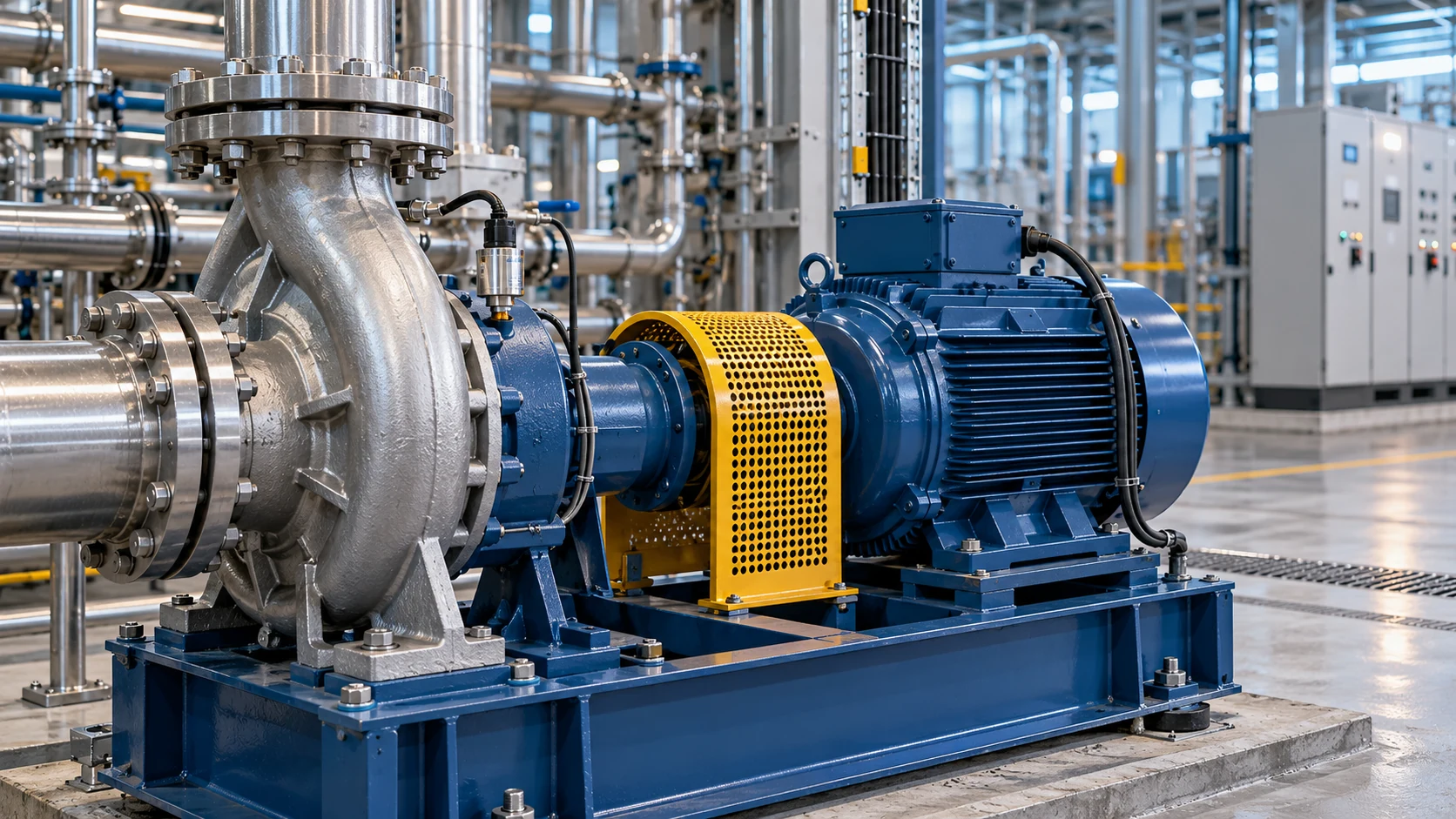
Start with the assets that matter most
A monitoring project starts with equipment criticality and likely failure modes. We review the machines whose loss disrupts production, creates a long repair or affects a difficult-to-access site. Existing maintenance records and operator observations help identify where an extra measurement may help. A small, well-chosen initial scope is easier to evaluate and maintain.
- Motors, pumps, fans and other rotating equipment
- Process equipment, utilities and control-panel conditions
- Monitoring priorities linked to operational consequences
Match the measurement to the problem
Vibration, temperature, electrical values and process readings answer different questions. We review available signals before specifying new sensors and consider mounting, environment, power and communications. A slow temperature trend may need a different data path from vibration analysis. Measurement resolution and sampling must suit the condition being investigated, rather than simply filling a dashboard.
- Vibration and temperature sensing where appropriate
- Drive current, torque, fault records and run hours
- Energy and process measurements for operating context
Establish what normal operation looks like
A useful baseline accounts for speed, load, product and operating mode. We review recorded behaviour against equipment information and your maintenance knowledge before agreeing thresholds. Manufacturer limits and relevant engineering guidance remain part of the assessment; the baseline alone does not establish a safe operating limit. Changes are flagged for investigation with their underlying data available.
- Baseline periods that cover representative operating conditions
- Warning levels, delays and exception logic agreed with your team
- Explicit treatment of missing or unreliable measurements
Connect the result to a maintenance action
A trend is useful when someone knows what to do with it. We can present condition data within an existing SCADA, BMS or dedicated dashboard and define who receives exceptions. Reports can combine the changing signal, operating context and relevant service history. Your maintenance team assesses the evidence and decides the inspection or intervention required.
- Asset trends and clear exception summaries
- Agreed notification and escalation arrangements
- Maintenance-system interfaces or scheduled reports where scoped
Improve the system with real findings
After an initial rollout, we review alerts against actual inspections, repairs and operating changes. That feedback helps reduce nuisance warnings and identify gaps in coverage. AI-assisted anomaly review may be considered when data quality and representative history support it, with human validation retained. Monitoring can reveal change; it does not guarantee detection of every failure or remove routine maintenance.
- Review false alarms and confirmed equipment findings
- Update baselines when operating conditions change
- Extend coverage only where the evidence supports it
Questions about condition monitoring
Do we need to replace our PLC or SCADA?
Usually the monitoring scope can be assessed alongside existing controls. We use available data where practical and consider independent sensors where a specific condition is not otherwise visible.
Can you tell us exactly when a bearing will fail?
A condition trend may support an investigation or maintenance decision, but a precise failure date is rarely justified. We explain the limits of the measurements and avoid unsupported remaining-life or savings claims.
Should the sensors be wired or wireless?
That depends on the measurement, environment, power, update rate and communications reliability. We compare the practical options during the asset survey and include installation and ongoing maintenance requirements.
Connected capabilities
Bring us the operating challenge.
Tell us about your site, equipment and intended outcome. We will help define a practical engineering scope.